
What Happens Financially After a Medical Emergency?
Learn which bills may arrive after emergency care, how to check them against claim documents, and what to ask about financial assistance and payment options.
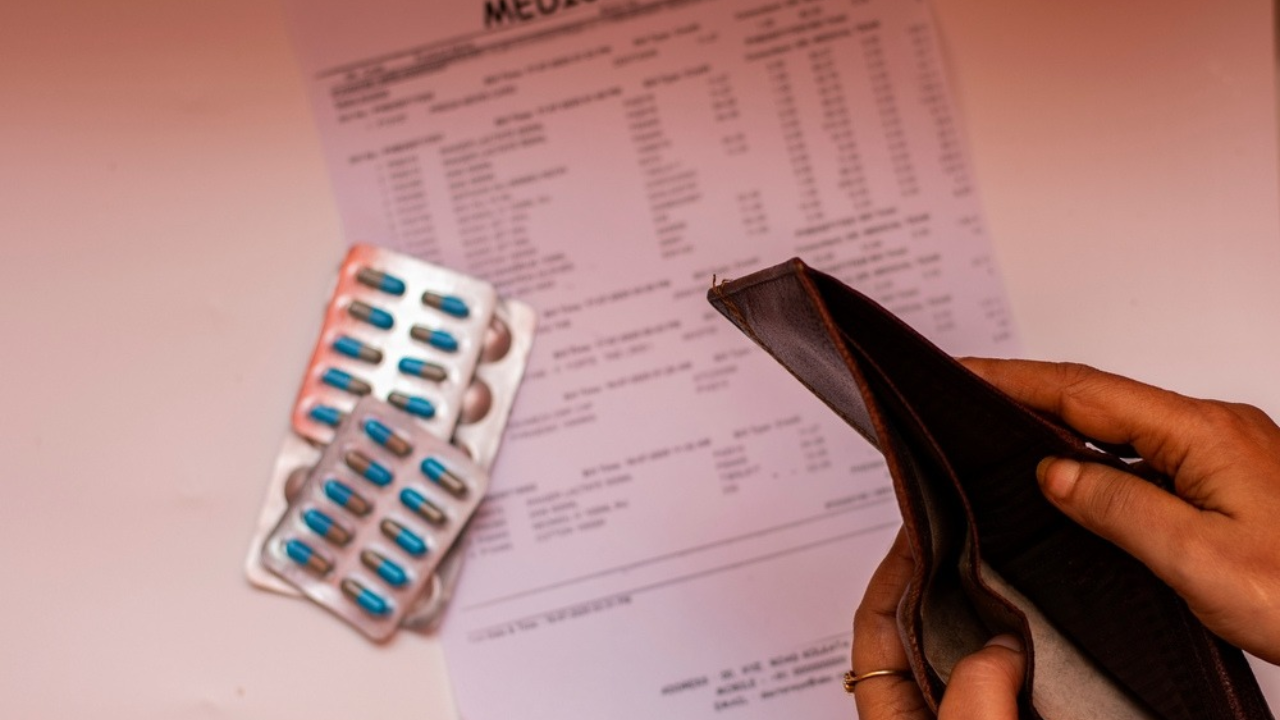
After a medical emergency, hospital and other provider bills may arrive at different times. If you have insurance, an explanation of benefits may arrive separately and is not a bill. Check each bill against your care, payments, and claim status when applicable. Ask the billing office about unclear charges or pending claims before assuming a balance is final. If you cannot afford payment, ask about financial assistance and payment plans, including costs, deadlines, and written terms.
Key takeaways
- There is no universal timeline for emergency bills or insurance claim documents.
- Separate providers may bill for different parts of the same emergency visit.
- An explanation of benefits explains claim processing and is not a bill.
- You can ask about financial assistance after discharge, but eligibility and available help vary.
- Confirm payment plan costs, billing holds, and account changes in writing.
What happens financially after a medical emergency?
After an emergency room visit or hospital stay, the financial paperwork may arrive in pieces. You might receive a hospital bill, bills from other providers involved in your care, and, if you have insurance, documents explaining how claims were processed. Discharge does not necessarily mean all charges are ready or that your final responsibility has been determined.
Start by gathering what you receive, identifying who sent it, and checking what action is requested. A request to pay, a claim update, and an application for financial assistance serve different purposes. Not every envelope is another bill.
There is no universal timeline for emergency bills or insurance claim documents. Timing depends on when providers submit charges, whether information is missing, how claims are reviewed, and whether a bill needs correction.
A practical sequence after discharge
- Before bills arrive: Save discharge paperwork and payment receipts. Confirm that the hospital has your correct contact information and, when applicable, insurance information.
- As documents arrive: Record the sender, service date, account number, balance, and any stated due date.
- When a balance is unclear: Ask how it was calculated and whether a claim review or adjustment is pending. Contact the billing office before the due date rather than assuming you can wait.
- If payment is unaffordable: Ask about financial assistance and payment options before committing to a repayment arrangement.
Which bills may arrive after emergency care?
A hospital bill after an emergency room visit may include charges for the facility, supplies, medications given during treatment, and services performed there. If you were admitted, additional hospital services may appear on the same statement or on later statements. Not every emergency visit leads to admission.
Other organizations may bill separately if they provided part of your care. Possible senders include:
- The emergency physician or physician group.
- An ambulance service.
- A radiologist who interpreted imaging.
- A laboratory or another diagnostic service.
- A specialist, surgeon, or anesthesia group involved in treatment.
You may also have expenses outside the original visit, such as prescriptions, follow up appointments, therapy, or medical equipment. Those costs may involve a different provider or pharmacy.
A provider name you do not recognize is a reason to verify the bill, not proof that it is wrong. Ask what service the organization provided, where it occurred, and how it relates to your emergency treatment. Use contact information you can verify independently if a payment request looks suspicious.
Why separate bills arrive at different times
The hospital and the clinicians who treat you may use different billing organizations. For example, the hospital may charge for performing an imaging test while a physician group separately charges for interpreting the images. Two bills connected to the same test are not necessarily duplicates, but each should identify a distinct service.
These organizations may finish their billing work at different times. A provider may need to complete documentation, correct identifying information, or respond to a claim question before a balance is finalized. A later statement may also be an update to an existing account rather than a new charge.
If you have insurance, a provider bill and an explanation of benefits may arrive in either order. The provider bill requests payment. An explanation of benefits, often called an EOB, explains how your insurer processed a claim and may show billed charges, adjustments, plan payments, and an amount assigned to you. An EOB is not itself a bill.
If you do not have insurance, there may be no EOB to compare with the bill. You can still request an itemized bill, an explanation of adjustments, and information about financial assistance or options for people paying directly.
How to check bills and claim documents
Start with the basics. Confirm the patient name, date of care, provider, and whether the statement reflects payments you already made. Keep receipts for any deposit or payment made at the hospital.
If a statement provides only a total, ask for an itemized bill showing the services and charges. You do not need to interpret medical billing codes on your own. Ask the billing office to explain unfamiliar descriptions and why a charge appears.
- Match the visit: Do the date and location correspond to care you received?
- Check the services: Are there services you do not recognize or repeated entries that need explanation?
- Check payments and credits: Does the balance reflect prior payments, assistance, or adjustments that were approved?
- Compare related documents: If insured, match the provider bill to the EOB using the service date, provider, and claim details.
- Look for unresolved processing: Does either document say a claim is pending, denied, corrected, or awaiting information?
A difference between a bill and an EOB is a reason to ask questions. The documents may reflect different stages of processing, or one may need correction. Ask the provider and insurer, when applicable, which version is current and what explains the difference.
What if a bill seems wrong or arrives before claim processing?
Contact the billing office with the account number on the statement. Explain the specific issue, such as a missing payment, an unfamiliar service, or a claim that has not finished processing. Ask what the office needs to review it and when you should follow up.
If you have insurance and the bill requests payment before a claim is complete, ask whether the provider submitted the claim using the correct information. Ask your insurer whether it received the claim and whether anything is needed from you. If a claim was denied, request the reason and instructions for any available review or appeal, including deadlines.
A useful script is: “I received a bill for this visit, but I cannot tell whether the claim is finished. What is the current status, what action do I need to take, and can you pause billing activity while this is reviewed?”
Do not assume a phone call automatically changes a due date or stops collection activity. Ask specifically whether a hold is available, what activity it pauses, how long it lasts, and whether you can receive confirmation.
Keep copies of the original bill, revised statements, and correspondence. A corrected balance is easier to confirm when you have the earlier version for comparison.
What can you ask about if the bill is unaffordable?
You can ask a hospital about financial assistance after you have been discharged. Request its written policy, application instructions, required documents, and any applicable deadlines. Availability and eligibility vary, and applying does not guarantee that a balance will be reduced or waived.
Do not assume that having insurance rules out assistance, or that having no insurance automatically qualifies you. Ask how the policy applies to your circumstances. Confirm which accounts it covers, because hospital assistance may not apply to a separate physician or ambulance bill.
Questions about financial assistance
- What assistance programs can I apply for given my current financial circumstances?
- What income, household, or other documentation do you need?
- Can I apply while a claim or billing correction is pending?
- What happens to billing activity while the application is reviewed?
- If assistance is approved, which bills and service dates does it cover?
Questions about emergency room bill payment options
A payment plan can spread payments over time, but it does not necessarily lower the total bill. Before agreeing, ask whether assistance should be reviewed first and whether the arrangement is offered directly by the provider or through a financing company.
- Is there interest, an enrollment fee, or another charge?
- What is the total amount I would pay?
- What happens if I miss a payment or my circumstances change?
- Can the payment amount be adjusted?
- Will I receive the agreement and its terms in writing?
Moving a medical balance to a credit card or financing account can introduce interest and different repayment terms. Ask whether doing so would affect your ability to pursue the provider's assistance options. Compare the total cost, not just the monthly payment.
How to organize bills and keep follow up manageable
Create one folder for the emergency event, on paper or digitally. Keep a simple list of each billing organization, account number, service date, current balance, claim status when applicable, and next action. Track each account separately so you can see which issues are resolved.
For every call, record the date, representative's name, reference number, and what was agreed. Set a reminder for the follow up date the office gives you. If no date is offered, ask when to check back.
If someone is helping you, ask each organization what permission it needs before discussing your account with that person. Share documents securely and keep your own copies.
Where SakeOf support may fit
For SakeOf Full Service members, program support includes advocacy, bill verification, fair price review, and negotiation support. These services are relevant when you need help reviewing emergency care charges or seeking a billing resolution, but they do not guarantee a reduction.
SakeOf is not insurance. Full Service also includes eligibility for voluntary community funding after the applicable member commitment, subject to program terms and restrictions. Membership does not guarantee that a bill will be shared. If you are already a member, consult your member handbook when reviewing an emergency expense. If you are considering joining after an emergency, do not assume that the event will be eligible.
For now, focus on the next unresolved account: confirm who is billing you, what the charge represents, whether processing is complete, and what action is due next. You do not have to resolve every bill in one sitting.
Common questions
Why did I receive more than one bill for an emergency room visit?
The hospital and other providers may bill separately for their parts of your care. For example, a physician group may bill separately from the facility. Ask each sender to identify its service and explain how it relates to your visit.
When should I expect medical bills after emergency treatment?
Timing varies by provider, claim processing, and whether information or corrections are needed. Bills and claim documents may arrive at different times. Ask each billing office about its current account status rather than assuming all charges have arrived.
What should I do if a bill arrives before my insurance claim is processed?
Ask the billing office whether the claim was submitted correctly and contact your insurer to confirm its status. Ask whether billing activity can be paused during review, and confirm any hold and follow up date. Do not assume the due date changes automatically.
Can I request hospital financial assistance after discharge?
Yes. Ask the hospital for its written assistance policy, application requirements, and any deadlines. Approval is not guaranteed. Confirm whether assistance applies only to hospital charges or also to any separately billed providers.
What should I ask before accepting a medical bill payment plan?
Ask about interest, fees, the total repayment amount, missed payment consequences, and whether payments can be adjusted. Confirm who provides the financing and whether financial assistance can be reviewed first. Request the terms in writing.
Ready to keep exploring?
Use SakeOf tools and program information to compare your next healthcare decision with clearer cost context.
Understand Your Medical CostsSakeOf Healthcare & Pregnancy Estimator
See real costs for major medical events – and how SakeOf protects your family from financially devastating bills.
Estimates are rough ranges for marketing purposes only and may vary by provider and location.
See how quickly a hospital bill adds up.
Take a quick walk through our interactive hospital experience.
Play the hospital gameKeep reading
Related guides and answers from SakeOf Insights.

Why Can Blue Collar Industries Face Higher Medical Costs, and What Can Help?
Physical demands, injuries, access to care, and workforce differences can affect medical spending. Here is how employers and workers can address costs while keeping workplace injury expenses separate

What Is Cash Pay Healthcare? How It Works and What to Check
Cash pay means paying a provider directly rather than billing insurance for that service. Learn how quotes, separate fees, receipts, and plan rules affect your choice.

Heart Attack Costs: What to Expect for Hospital Care and Recovery
Understand what can go into a heart attack bill, how health coverage affects your share, and which expenses may continue during recovery.

What to ask before an expensive medical procedure?
Use these questions to understand why a procedure is recommended, what the estimate includes, who may bill you, and what payment terms apply.