
Why Cash Prices Can Be Lower Than Billed Medical Prices
Cash payments for healthcare services often cost less than billed prices because they eliminate insurance processing fees, reduce administrative overhead, and allow direct negotiation with providers.
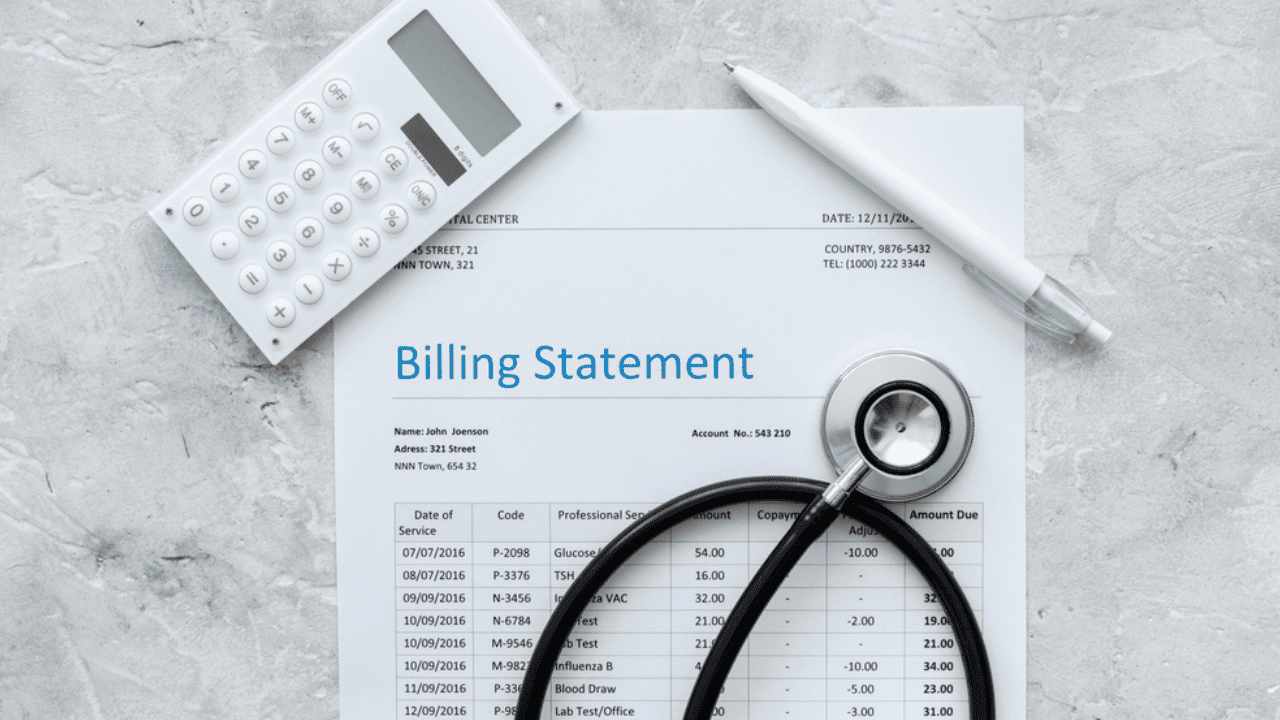
Cash prices can be lower than billed medical prices because providers eliminate insurance processing costs, reduce administrative overhead, receive immediate payment, and avoid claims risk. Providers may offer discounts of 20 to 60 percent for cash payment, though savings vary by service and location. Not all providers offer cash discounts, so comparing the cash price to your insurance benefit is essential.
Key takeaways
- Cash prices eliminate insurance processing fees and administrative costs that inflate billed amounts.
- Providers offer cash discounts for immediate payment and reduced billing complexity.
- Cash prices are not always lower; compare cash rates to insurance benefits before paying.
- Fair price review helps verify whether a cash quote represents actual savings.
Introduction to Cash Pay Healthcare
When you pay cash for medical services, you bypass insurance companies entirely. This direct payment approach can reduce what you actually pay, though the savings vary by provider and service type.
Understanding Billed Medical Prices
The price a hospital or clinic bills to insurance reflects negotiated rates, administrative overhead, and the cost of processing claims. These billed amounts typically include:
- Insurance claims processing costs
- Billing department overhead
- Negotiated rate structures that account for expected insurance adjustments
- Delayed payment processing time
The actual cost of delivering the service is often substantially lower than the billed amount.
Factors Contributing to Lower Cash Prices
Providers may offer lower cash prices for several concrete reasons:
Immediate payment: Cash eliminates the 30 to 90 day wait for insurance reimbursement, improving the provider's cash flow.
Reduced administrative costs: Processing an insurance claim requires staff time for coding, submission, follow up, and appeals. Cash transactions skip this entirely.
No claims risk: Insurance claims can be denied or partially paid. Cash eliminates this uncertainty.
Competitive pricing: Some providers advertise cash rates to attract patients who are uninsured or have high deductibles.
Benefits of Paying Cash for Medical Services
Beyond potential cost savings, cash payments offer:
- Price transparency before service delivery
- No surprise bills from out of network providers
- Faster appointment scheduling at some facilities
- Simpler billing with a single transaction
These benefits matter most when you have a high deductible plan or are paying out of pocket regardless of insurance status.
How to Negotiate Cash Prices with Providers
Effective negotiation requires preparation:
Before the appointment: Call the billing department and ask for the cash pay rate. Request this in writing if possible.
Compare prices: Check rates at multiple providers for the same service. Imaging centers and lab facilities often publish cash prices online.
Ask about payment plans: If you cannot pay the full amount upfront, some providers offer interest free payment arrangements for cash pay patients.
Request an itemized estimate: Understanding exactly what you are paying for helps identify unnecessary charges.
Mention your research: If you found lower rates elsewhere, providers may match or beat those prices.
Common Services with Cash Discounts
Cash discounts appear most frequently for:
- Diagnostic imaging (MRI, CT scans, X rays)
- Laboratory tests
- Routine office visits
- Physical therapy sessions
- Dental procedures
- Elective surgeries
Emergency services and hospital admissions less commonly offer cash discounts due to the urgency and complexity involved.
Risks and Considerations of Cash Payments
Cash payment creates specific risks:
No insurance protections: If something goes wrong or additional services become necessary, you pay the full cost.
Does not count toward deductibles: Cash payments typically do not apply to your insurance deductible or out of pocket maximum.
Limited recourse: Disputing charges or quality issues can be harder without insurance company support.
Upfront payment required: Most cash discounts require payment before or immediately after service.
Not all providers offer cash discounts, and some may charge the same or more for cash payments. Always verify the cash price against your insurance benefits before deciding.
Finding Providers Offering Cash Pay Options
To locate cash friendly providers:
- Search for "cash pay" or "self pay" along with the service name and your location
- Check websites like Healthcare Bluebook or Fair Health Consumer for price estimates
- Call providers directly and ask if they offer cash discounts
- Look for direct primary care practices, which operate on membership models
- Ask your current providers if they offer cash rates
How SakeOf Can Help with Cash Pay Healthcare
SakeOf is not insurance. It is a membership program that provides healthcare advocacy and fair price review, which directly supports cash pay decisions.
When you receive a cash price quote, SakeOf's fair price review can help you determine whether that price is reasonable for your area and service type. Not all cash prices are actually lower than insurance rates, and some providers quote inflated "cash discounts" that still exceed fair market value.
For eligible medical expenses, SakeOf reviews documentation, medical necessity, and fair pricing before applying any member commitment. Remaining eligible amounts may then be matched to voluntary community funds subject to program limits and available funds. This process includes evaluating whether a cash price represents a fair cost.
SakeOf members also have access to direct service benefits when selected. The Rx benefit provides formulary medications at zero dollars when filled through participating pharmacies for acute conditions, which can eliminate the need to pay cash for many common prescriptions. The current service partner reports that more than 98 percent of generic medications commonly prescribed through its telemedicine service are in the acute benefit formulary.
For durable medical equipment expected to cost more than 300 dollars, SakeOf reviews equipment when advance review is reasonably possible. SakeOf may require rental instead of purchase when rental is the lower reasonable cost, helping you avoid overpaying even when using cash.
Conclusion
Cash prices can be lower than billed medical prices when providers reduce rates to gain immediate payment and avoid insurance processing costs. The savings are real but not universal. Successful cash pay requires comparing prices, negotiating directly, and verifying that the cash rate actually beats your insurance benefit.
Common questions
How do cash prices compare to insurance billed prices?
Cash prices are often 20 to 60 percent lower than insurance billed prices because they exclude insurance processing costs, administrative overhead, and claims risk. However, this varies by provider and service type. Some providers charge the same amount or more for cash, so always compare the cash price to what you would pay through insurance.
Can I always expect cash prices to be lower?
No. Cash prices are not always lower than insurance rates. Some providers do not offer cash discounts, and others may quote cash prices that still exceed fair market value. Compare the cash price to your insurance benefit and check whether the rate is reasonable for your area before paying.
How can I negotiate a cash price for medical services?
Call the billing department before your appointment and ask for the cash pay rate in writing. Compare prices at multiple providers for the same service. Mention lower rates you found elsewhere and ask if they can match them. Request an itemized estimate and ask about payment plans if you cannot pay the full amount upfront.
What types of services typically offer cash discounts?
Diagnostic imaging like MRI and CT scans, laboratory tests, routine office visits, physical therapy, dental procedures, and elective surgeries commonly offer cash discounts. Emergency services and hospital admissions less frequently provide cash rates due to urgency and complexity.
Are there risks associated with paying cash for healthcare?
Yes. Cash payments do not count toward your insurance deductible or out of pocket maximum. You lose insurance company protections if something goes wrong or additional services become necessary. Disputing charges or quality issues can be harder without insurance support, and most cash discounts require upfront payment.
Ready to keep exploring?
Use SakeOf tools and program information to compare your next healthcare decision with clearer cost context.
Learn How SakeOf Reviews Fair PricingSakeOf Healthcare & Pregnancy Estimator
See real costs for major medical events – and how SakeOf protects your family from financially devastating bills.
Estimates are rough ranges for marketing purposes only and may vary by provider and location.
Keep reading
Related guides and answers from SakeOf Insights.

How to Navigate Cash Pay Options for Pregnancy Complications
Compare cash pay and insurance costs for pregnancy complication treatment, understand what you'll actually pay, and learn which expenses SakeOf membership may help cover.

Blood Work Cost Without Insurance: What to Expect and How to Save
Blood work without insurance typically costs $10 to $300 per test depending on the type and provider. Learn how to compare prices, find discounts, and reduce your out of pocket expenses.

SakeOf Member Responsibilities for Cash Pay Care
SakeOf members pay providers directly and submit documentation for potential community sharing. Learn the specific responsibilities required to access available community funds.