
The Real Cost of Knee Surgery: A Complete Breakdown from Start to Recovery (2026)
Knee surgery is not something most people plan for. It usually starts with discomfort. A lingering pain, a torn ligament, or a moment when something just does not feel right. Then come the appointments, the scans, the recommendations, and eventually, the decision.
But alongside the medical journey, there is another reality unfolding quietly in the background.
The cost.
For many families, knee surgery becomes one of the most expensive and confusing healthcare experiences they will face. Not because care is unavailable, but because pricing is rarely clear from the beginning.
This guide walks through what knee surgery actually costs from start to finish in 2026, where those costs come from, and how families can approach the process with more clarity and control.
What Knee Surgery Really Costs in 2026
The total cost of knee surgery depends on the type of procedure, location, and complexity. But across the United States, the numbers are significant.
Here is what most families can expect:
- $15,000 to $35,000 for arthroscopic knee surgery
- $30,000 to $60,000+ for a total knee replacement
And that is just the surgery itself. When you include everything before and after, the total cost often climbs much higher.
Many families are surprised to learn that surgery is only one piece of the overall financial picture.
Step 1: Initial Consultation and Imaging
Before surgery is even discussed, there are appointments to diagnose the issue.
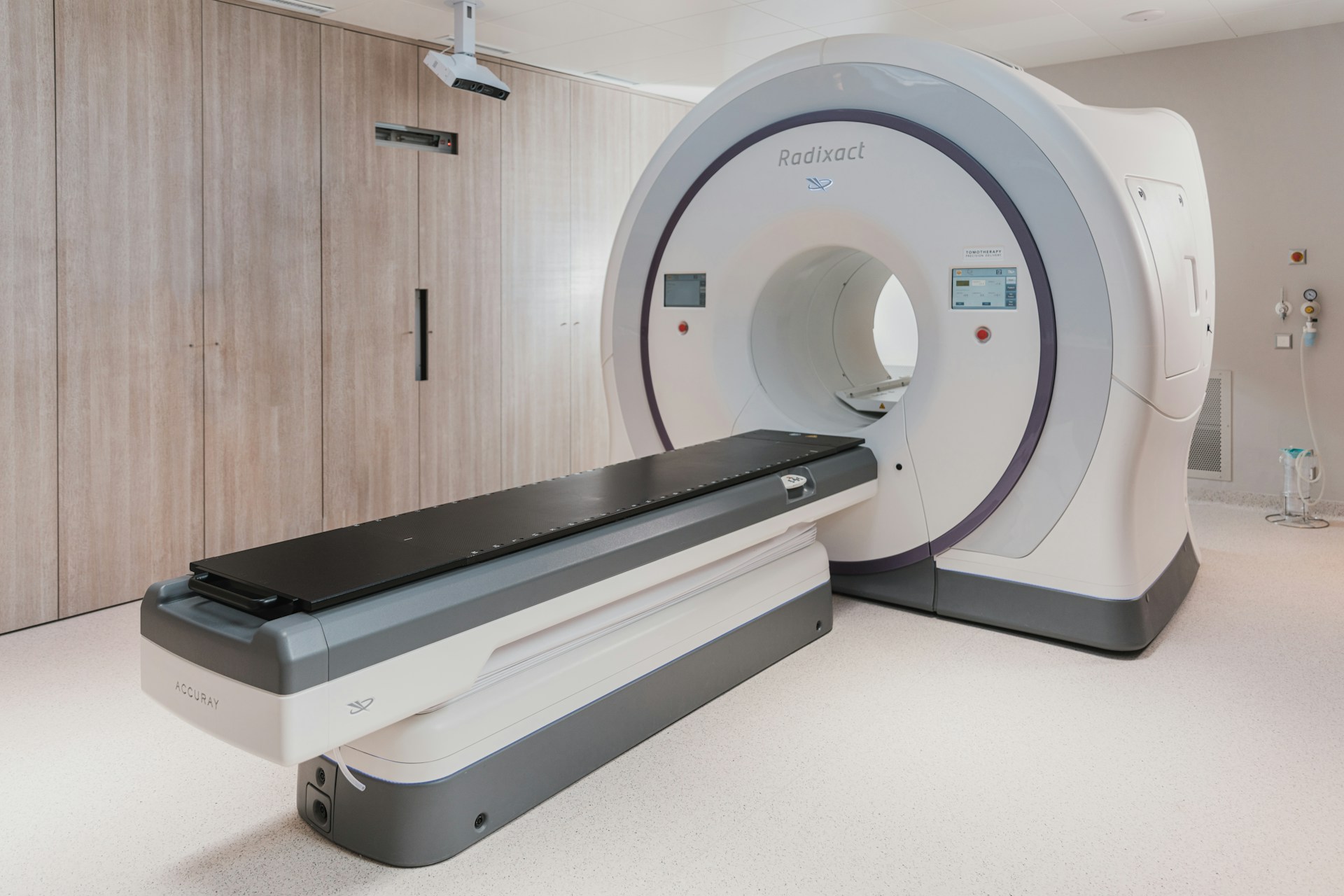
Doctor visits typically range from $150 to $400. If imaging is required, which is common, MRIs alone can cost anywhere from $1,000 to $3,000 depending on the facility.
These early steps often feel routine, but they are the first layer of costs that begin to add up quickly.
Step 2: Pre Surgery Preparation
Once surgery is scheduled, additional testing and preparation follow.
Blood work, pre operative evaluations, and specialist consultations can add another $500 to $2,000 to the total.
At this stage, many families still do not have a full picture of what the final cost will look like. They are moving forward without a clear financial roadmap.
Step 3: The Surgery Itself
This is where the largest portion of the cost occurs, but even here, it is not a single number.
Knee surgery is typically broken into multiple charges:
- Surgeon fees
- Anesthesia
- Operating room and facility fees
- Medical supplies and implants
Each of these components is billed separately. That is why two patients receiving the same procedure can end up with very different total bills.
For a total knee replacement, the facility fee alone can exceed $20,000 in some hospitals.
Step 4: Hospital Stay and Immediate Recovery
Depending on the procedure, patients may go home the same day or stay in the hospital for several days.
Hospital stays can cost anywhere from $2,000 to $10,000+, depending on duration and level of care.
Additional services like medications, monitoring, and follow up imaging are often billed separately, adding to the total.
Step 5: Physical Therapy and Long Term Recovery
Recovery does not end when you leave the hospital. In many ways, it is just beginning.
Physical therapy is a critical part of knee surgery recovery and can last for weeks or even months.
Sessions typically cost between $100 and $250 each, with total therapy costs ranging from $1,500 to $5,000+ depending on the treatment plan.
Follow up visits, medications, and potential complications can further increase the overall cost.
The Full Picture Adds Up Quickly
When you combine all stages, the true cost of knee surgery often looks like this:
- Diagnosis and imaging: $1,000 to $3,500
- Pre surgery preparation: $500 to $2,000
- Surgery and facility: $20,000 to $60,000+
- Recovery and therapy: $2,000 to $8,000+
That brings the total into a range of $25,000 to over $70,000 depending on the situation.
And for many families, the most difficult part is not just the amount. It is the fact that these numbers are rarely clear upfront.
The Hidden Costs No One Talks About
What surprises most families is that the biggest expenses are not always the surgery itself. It is everything around it.
When people go through knee surgery, they quickly realize there are dozens of smaller costs that are rarely discussed upfront.
Real patient experiences show that out of pocket spending often includes:
- Mobility equipment like walkers, canes, and crutches
- Cold therapy or ice machines that can cost $100 to $300
- Shower chairs, raised toilet seats, and home safety equipment
- Loose clothing, recovery tools, and home adjustments
- Physical therapy copays that can continue for months
- Lost wages during recovery, sometimes lasting 10 to 15 weeks
Many patients report spending anywhere from a few hundred to several thousand dollars on these additional needs, even after insurance is applied :contentReference[oaicite:0]{index=0}.
And none of these costs are typically explained at the beginning.
This is where the frustration really sets in. Not just because of how much is spent, but because families feel like they are discovering the true cost in real time instead of being able to prepare for it.
Why Families Feel Overwhelmed
Knee surgery is not just a medical event. It is a financial journey filled with uncertainty.
Patients often receive multiple bills from different providers. Costs are not bundled in a simple way. Insurance coverage can vary significantly depending on the plan.
This creates a situation where families move forward with care without fully understanding the financial impact until much later.
That lack of visibility is where stress builds.
A More Transparent Approach with SakeOf
This is exactly the kind of experience SakeOf was designed to improve.
Instead of navigating a fragmented system alone, families become part of a structured cost sharing model that emphasizes clarity from the beginning.
With SakeOf, costs are not hidden behind layers of billing. Members have a clearer understanding of what is being shared, what to expect, and how to plan.
That changes how people approach major procedures like knee surgery. It shifts the experience from reactive to intentional.
Planning Instead of Guessing
When families can see the full picture, they make better decisions.
They can choose providers more confidently. They can prepare financially. They can focus on recovery instead of worrying about the next bill.
This level of predictability is not common in traditional healthcare, but it is exactly what families are looking for.
Why Planning Ahead Changes Everything
The difference between a stressful experience and a manageable one often comes down to visibility.
Families who understand both the major and hidden costs ahead of time make better decisions. They prepare financially, avoid unnecessary spending, and focus more on recovery instead of reacting to bills.
This is exactly where SakeOf changes the experience. By bringing clarity to both expected and unexpected costs, families are no longer left figuring things out on the fly.
Take Control of a Major Healthcare Decision
Knee surgery is a big step, both physically and financially. But it does not have to feel overwhelming.
By understanding the full cost breakdown and exploring more transparent ways to manage those costs, families can move forward with confidence.
SakeOf offers a path toward that kind of experience. One where healthcare is clear, shared, and designed around real people.
Visit SakeOf.com to see how a more predictable and transparent approach can support your next healthcare decision.