
Healthcare Sharing vs HSAs: Key Differences Explained
Explore how healthcare sharing and HSAs differ, tackling family health costs.
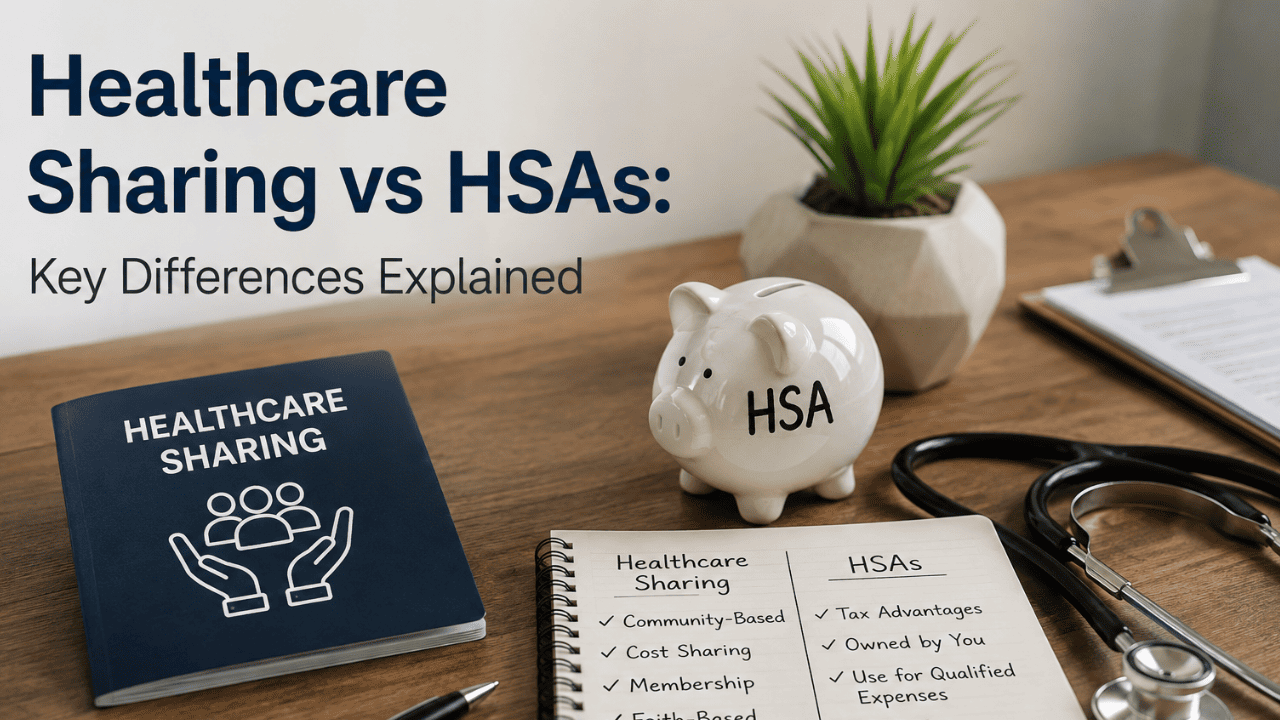
Introduction to Healthcare Sharing vs Health Savings Accounts: How They Work Differently
In the complex landscape of healthcare financing, families often find themselves juggling between options that promise to mitigate costs while enhancing control over medical decisions. Two popular choices are Healthcare Sharing and Health Savings Accounts (HSAs). Although these models aim to address financial concerns, they operate differently, offering diverse benefits to families.
Healthcare Sharing is a community-driven concept designed to reduce expenses and improve clarity in healthcare pricing without the restrictions of traditional insurance. On the other hand, HSAs are savings tools tied to high-deductible health plans, allowing families to save pre-tax dollars for medical expenses. Understanding the differences can empower families to choose the right path for their unique needs.
Understanding the Real Pain Points in Healthcare
Families frequently grapple with the unpredictability of medical expenses, which is compounded by a lack of pricing transparency. Traditional healthcare models often leave families uninformed, leading to unexpected bills and difficult financial planning.
SakeOf addresses these pain points by offering a structured cost-sharing system that prioritizes clarity and predictability. By engaging in a community-based approach, families are better prepared for potential medical expenses, fostering a cooperative environment where costs are more manageable.
Why Traditional Systems Fall Short
Conventional insurance models often come with high premiums and obscure billing practices, creating frustration and confusion. Many families find it challenging to make informed decisions due to the opacity of traditional pricing structures.
Healthcare sharing, as championed by SakeOf, sidesteps these hurdles by emphasizing transparency and member accountability. This approach not only reduces costs but also involves participants in their own care decisions, leading to a more personalized healthcare experience.
How SakeOf Offers a Better Approach
SakeOf's community-driven platform prioritizes affordability and transparency, addressing the shortcomings of traditional insurance. By sharing costs with other members, families experience financial relief and gain insights into their healthcare expenditures.
- Transparent pricing structures
- Community accountability
- Reduced financial burden
The model encourages informed decision-making as members have clearer expectations about medical costs, reducing stress and promoting a proactive approach to healthcare.
How Families Save Money and Gain Predictability
Through cost-sharing, families benefit from a predictable healthcare expenditure model. SakeOf offers insights into potential costs upfront, mitigating surprises and allowing for more effective budgeting.
This predictability not only alleviates financial stress but also empowers families to allocate resources efficiently, maximizing their healthcare investment without overextending themselves.
How Transparency Improves Decision-Making
Transparency in healthcare pricing is crucial for informed decision-making. SakeOf ensures that members are aware of costs upfront, improving their ability to plan and manage medical expenses effectively.
This clear understanding of potential financial commitments allows families to make choices that align with their budgets and healthcare needs, fostering a more controlled and less stressful healthcare experience.
Comparison of Healthcare Sharing and HSAs
While both healthcare sharing and HSAs focus on financial management, their operational frameworks differ significantly. Healthcare sharing centers on community support, where members share costs, enhancing affordability and access to care. In contrast, HSAs are personal savings accounts requiring the initial purchase of a high-deductible health plan, focusing on long-term savings and tax benefits.
Choosing between the two depends on individual priorities such as predictability versus savings growth, community involvement versus personal responsibility, and immediate access to funds versus strategic long-term planning.
FAQs
What is the main difference between healthcare sharing and HSAs?
The primary difference lies in their approach—healthcare sharing is a community-driven model pooling resources, while HSAs are individual savings accounts for medical expenses, tied to high-deductible health plans.
Can healthcare sharing and HSAs be used together?
Yes, families often use both to balance immediate cost-sharing with long-term savings, maximizing their financial strategy for covering medical expenses.
How does SakeOf ensure transparency in pricing?
SakeOf emphasizes clear communication and upfront disclosure of costs to its members, ensuring that families know what to expect financially, reducing surprises and stress.
Join a Smarter Approach to Family Healthcare
Opting for SakeOf provides families with a unique opportunity to participate in a community-driven healthcare model that promotes both financial prudence and collaborative support. By reimagining how healthcare costs are managed, SakeOf allows families to engage in more predictable and transparent financial planning.
Join us in transforming the healthcare experience by taking control over medical expenses and becoming part of a community that values affordability, transparency, and accountability. Empower your healthcare decisions today with SakeOf’s structured and supportive approach.
Ready to keep exploring?
Use SakeOf tools and program information to compare your next healthcare decision with clearer cost context.
Explore SakeOf TodaySakeOf Healthcare & Pregnancy Estimator
See real costs for major medical events – and how SakeOf protects your family from financially devastating bills.
Estimates are rough ranges for marketing purposes only and may vary by provider and location.
Keep reading
Related guides and answers from SakeOf Insights.

How to Save Thousands on Medical Bills (Step by Step)
Practical steps to cut your medical bills: catch billing errors, negotiate with providers, access financial assistance programs, and use advance review to avoid overcharges.

A Practical Guide to Choosing Between Health Sharing and Traditional Insurance
Compare health sharing programs and traditional insurance to understand which healthcare option fits your needs, budget, and coverage priorities.

How SakeOf Can Help You Manage Hospital and ER Costs
Learn how SakeOf's healthcare sharing framework provides guidelines and resources to help you understand and manage hospital and emergency room expenses.

Direct Primary Care vs Traditional Insurance: Which Is Right for You?
Compare direct primary care and traditional insurance to understand costs, coverage, and how each model works for different healthcare needs.